
Start with why
Start With Why
Behavior has causes: fear, pain, frustration, habit, sometimes illness. The pages below explain how professionals look for them, what shapes the cost and how to tell which kind of help to ask for first.
Reading notes
Calm words, honest limits.
Operated by K9PN. See the Disclaimer.
Choose your path
Six Kinds of Behavior Help
Read how each approach works, what it generally costs and what to ask before you commit.

Behavior Consultation
A behavior consultation starts with questions, not commands.
$600 to $1,800 per programRead the guide →
Anxiety Help at Home
Pacing, drooling, panting and destroying things when left alone are signs of distress, not spite.
$100 to $200 per visitRead the guide →
Reactivity Lessons
Barking and lunging on walks are often a sign of fear or frustration.
$75 to $150 per lessonRead the guide →
Puppy Behavior Start
Puppies are sponges, and what they absorb at ten weeks shapes their confidence later.
$150 to $350 per lesson packageRead the guide →
Foundations for Worried Dogs
Predictable routines and clear cues give a worried dog a script to follow.
$500 to $1,200 per packageRead the guide →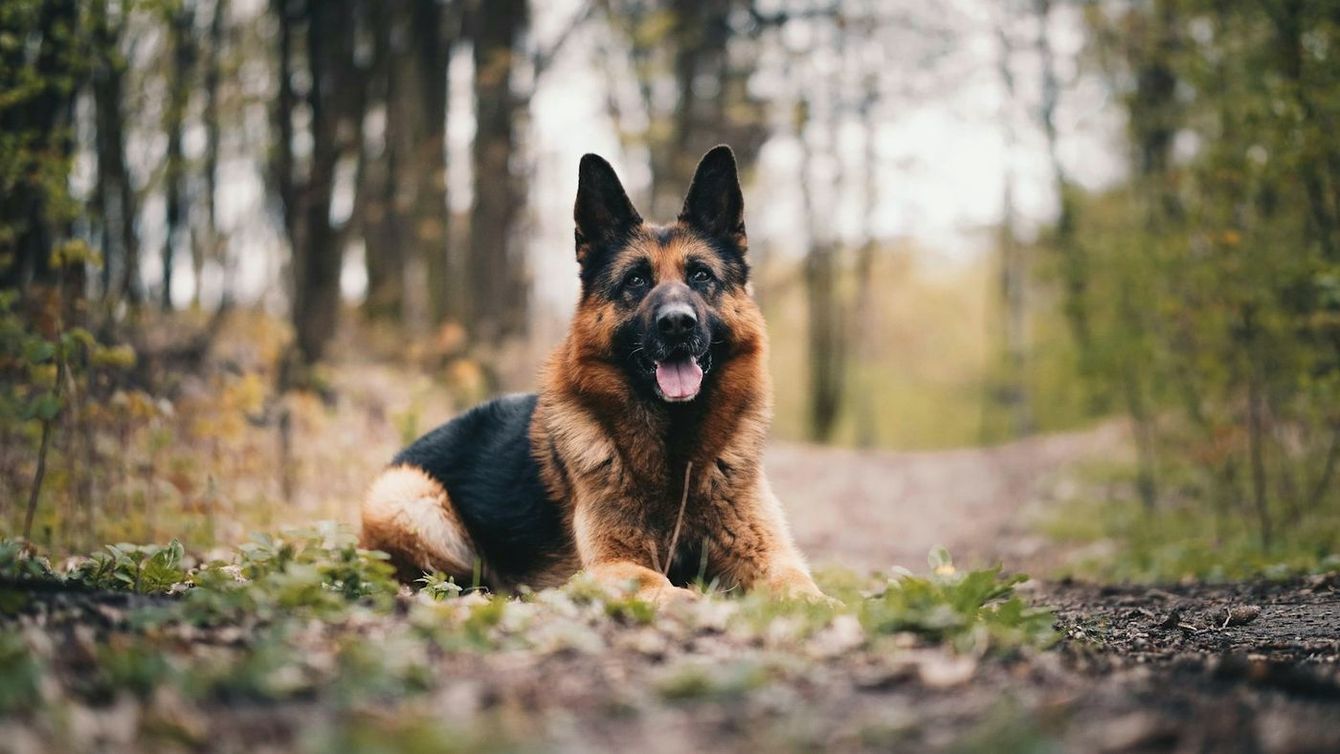
Board and Train Questions
A stay away from home can be stressful for a dog that is already anxious.
$1,500 to $2,500+ across two to three weeksRead the guide →General estimates only. Prices vary by professional, dog and market.
How it works
Rule out, plan, practice.
- 01
Rule out medical causes
Start with your veterinarian when behavior is new or sudden.
- 02
Plan with a qualified professional
Use the guides to understand options and costs.
- 03
Go gently, one layer at a time
Short, easy sessions beat big tests.
About this guide
Understanding before action.
This guide explains dog behavior help in everyday language. It covers consultations, anxiety, reactivity and early puppy guidance.
It does not diagnose anything, and it does not replace your veterinarian. When behavior changes suddenly, a veterinary check comes first.
About this guide →Calm in practice
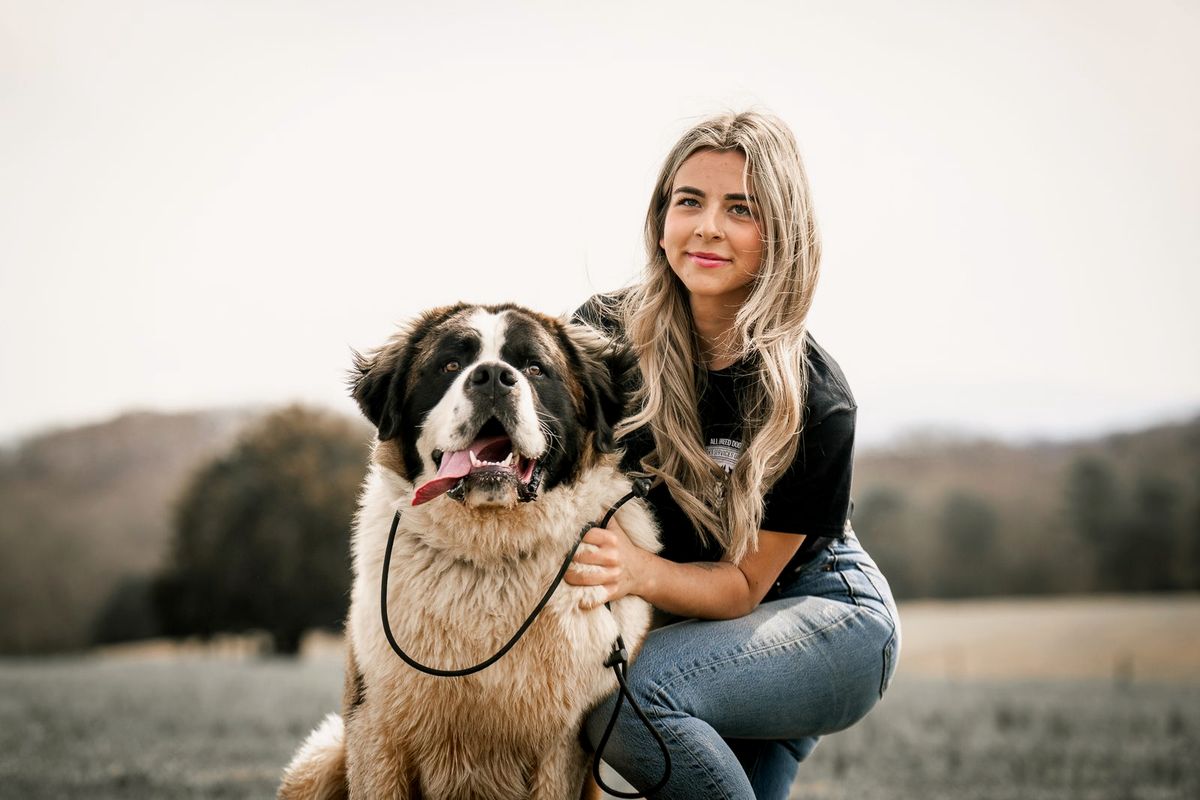
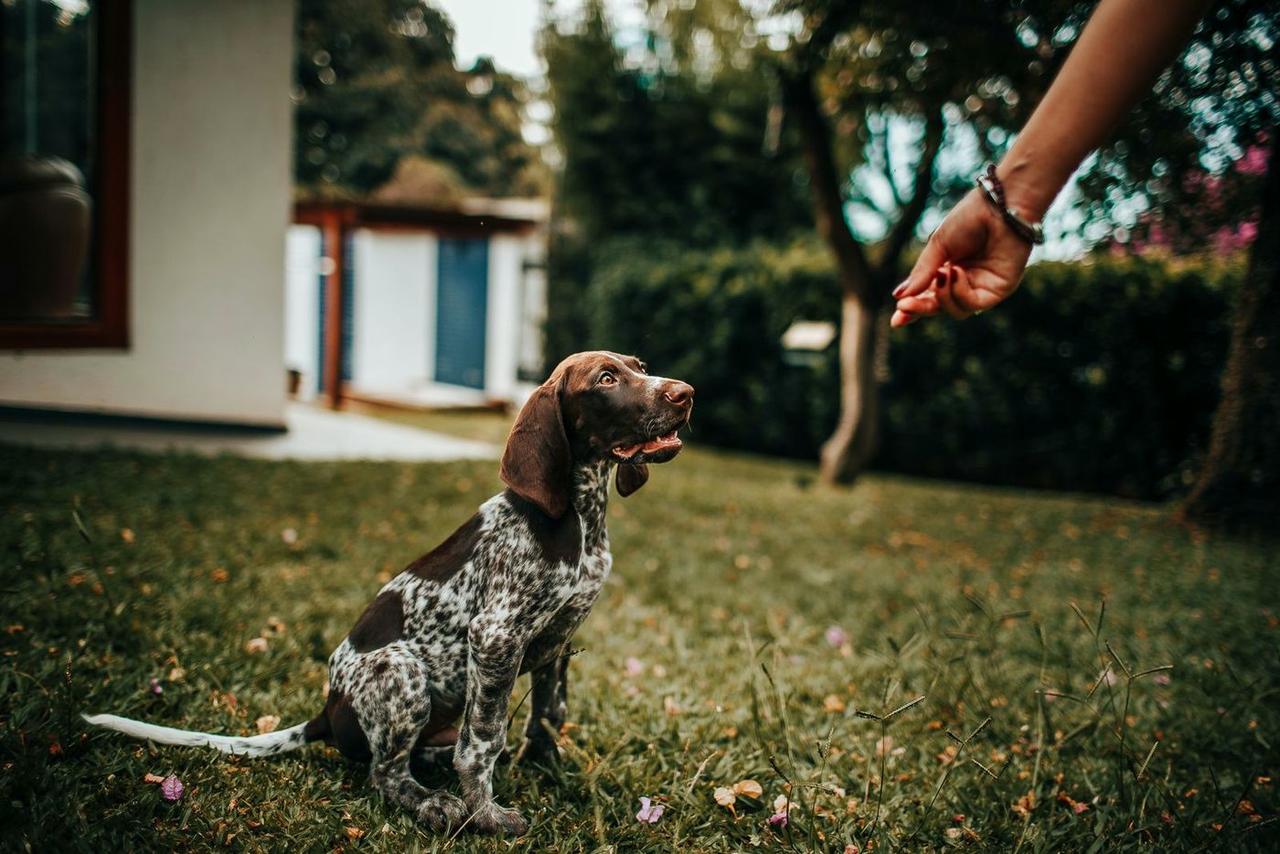
What settled looks like.
Settled dogs are soft in the face and loose in the body. These photos capture that quiet look, the one a good plan works toward.

Trainer availability
A Note on Where to Start
If your dog's behavior changed suddenly, call your veterinarian. We are lining up professional trainers in Nashville, and nobody is taking requests from this site yet.
- Veterinarian first for sudden changes
- Plain guides to consultations and costs
- Eight towns, each with its own notes
Service areas
Notes by Town
Each town page looks at the sounds, routes and routines that tend to affect anxious and reactive dogs there.
Good questions
Before you begin.
When should I call a veterinarian first?
When a behavior is new, sudden or paired with changes in appetite, sleep or energy. Physical causes can sit behind a behavior change.
What separates a trainer, a certified behavior consultant and a veterinary behaviorist?
General information only. Dog trainers teach skills and habits, and in most places the title needs no license, so ask about education and methods. A certified behavior consultant has earned a credential from an independent certifying body, and what each one requires differs, so ask what it took. A veterinary behaviorist is a veterinarian who completed a residency and board certification in behavior, which allows medical diagnosis and medication when appropriate. This site and its author hold none of these roles.
What is a veterinary behaviorist?
A veterinarian with extra training in behavior who can diagnose conditions and discuss medication when appropriate.
How much does a consultation cost?
General estimates are $600 to $1,800 per program near Nashville. Professionals set their own prices.
Can I ask for someone through this site?
Not yet. The site has no sign-up of any kind.
Which approaches do consultants favor?
Reward-based teaching, distance from triggers and gradual practice. Avoid methods built on fear or pain.